

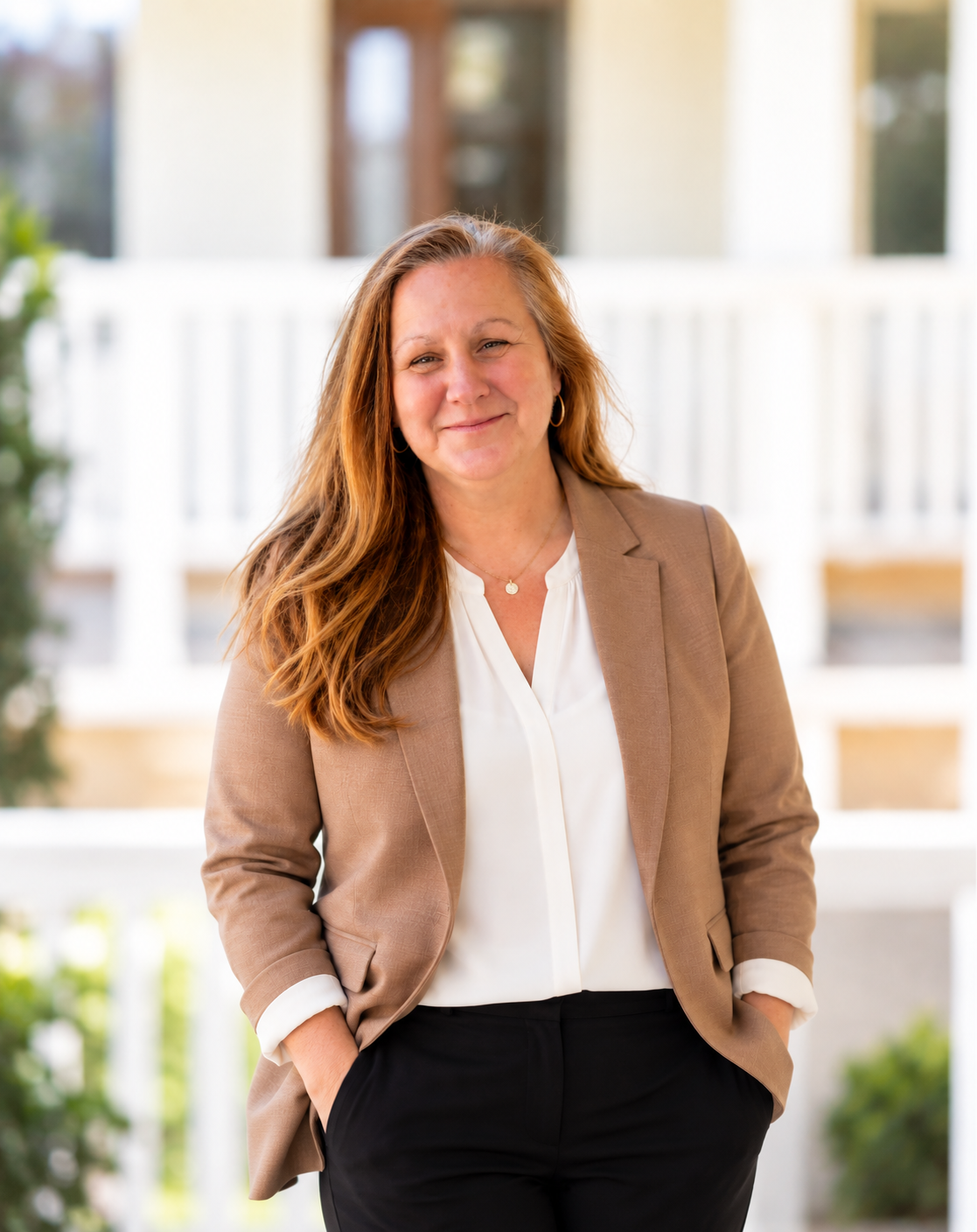
Dr. Kimberly Dunkin PsyD, LPC, SEP
NeuroMap™ Founder & Clinical Director
Education
Doctor of Psychology (PsyD) — Southern University
Master’s Degree in Counseling
Master’s Degree in Religious Education — Southwestern Baptist Theological Seminary
Licensure & Advanced Training
Licensed Professional Counselor (LPC)
Somatic Experiencing Practitioner (SEP)
Neurosequential Model of Therapeutics (NMT)
EMDR Trained
BASE™ Practitioner — Bodywork and Somatic Education, developed by Dave Berger
NeuroAffective Touch® — Level III Training
Interpersonal Neurobiology (IPNB)
Dialectical Behavior Therapy (DBT)
Research & Development
Doctoral research: A Neurophysiological Protocol for Neurosequential Deficits in Developmental Trauma
Developer of Dunkin NeuroMap™
Clinical focus: developmental trauma, neurophysiological regulation, attachment, and bottom-up treatment approaches
“Hard is not impossible”
I have always been fascinated by what makes the body function—and how our experiences shape how our body reacts. I didn’t enter this field because I had everything figured out. I entered it because I wanted to understand. It started in the physical realm, as a coach and martial arts instructor, and then grew into a curiosity about the connection between the brain and body.
My journey began through our family’s experience with adoption. As I learned more about developmental trauma and the ways early experiences can shape a person long after circumstances have changed, I also began recognizing pieces of my own story.
That understanding became deeply personal when I experienced the impact of Somatic Experiencing® in my own healing. Long-standing patterns of vigilance, intense nervous-system activation, sensory experiences, and trauma responses began to make sense in a completely different way.
It changed the questions I was asking as a clinician.
Instead of only asking, “What happened?” I became increasingly interested in what the nervous system had learned to do because of what happened—and what it might need now.
I began seeing similar patterns in my clients. Sometimes what looked like persistent anxiety, depression, emotional dysregulation, or difficulty connecting seemed to have something deeper underneath it. I wanted a way to understand the person developmentally and physiologically—not simply symptom by symptom or event by event.
That pursuit has shaped my education, research, and clinical training. My clinical work has been deeply influenced by Dr. Bruce Perry and the Neurosequential Model of Therapeutics, Peter Levine and Somatic Experiencing®, Stephen Porges and Polyvagal Theory, Dave Berger and BASE™, Dr. Eileen LaPierre and NeuroAffective Touch®, and Dr. Adrian Hickman’s developmental perspective.
That same curiosity eventually became the focus of my doctoral research: How do we identify where development was disrupted and sequence treatment according to what the nervous system is ready for?
It ultimately became the foundation for Dunkin NeuroMap™.
I still love complicated cases. I love sitting with someone whose symptoms may seem disconnected and looking for the thread that helps the whole picture come together. Dr. Adrian Hickman gave me a question that has stayed at the center of how I approach this work:
“What makes this make sense?”
That question captures what I have spent my career trying to understand. What makes people tick? Why do we do what we do? And what changes when we stop looking at a behavior or symptom in isolation and begin understanding the person as a whole?
Outside of my work, I’ve been married for 34 years, and family is at the center of my life. I’m happiest outdoors—especially paddleboarding, four-wheeling, or hiking. I love reading, creating, learning, and spending time with my grandson.
After all these years, I’m still fascinated by people. More than anything, I want people to understand themselves—not simply what they struggle with, but what makes it make sense and what may help them move forward.